
Xiros™
Synthetic Ligaments
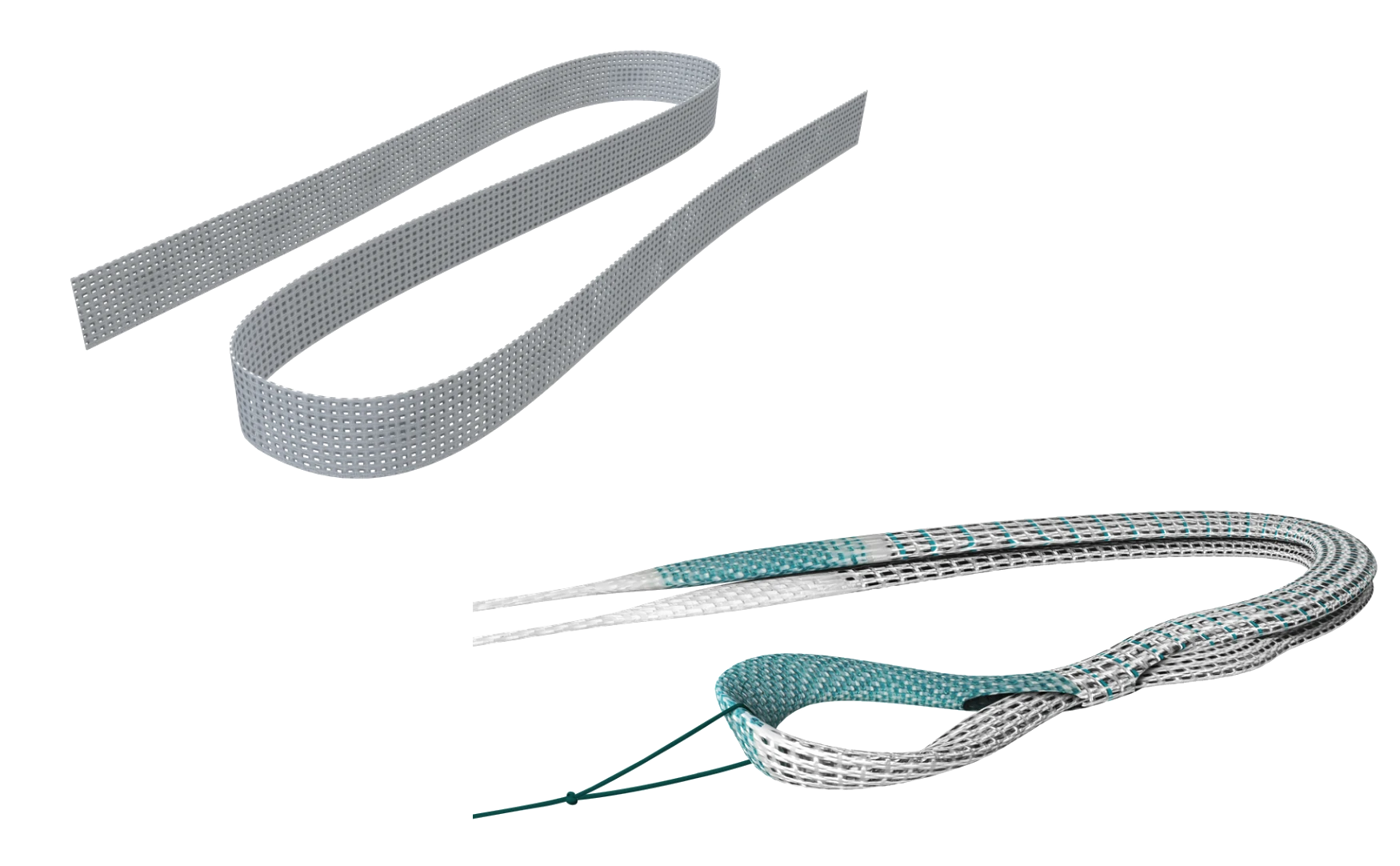




Xiros designs and manufactures innovative implantable medical devices for sports medicine and orthopaedic surgery.
Established in Leeds, United Kingdom, in 1982, Xiros has more than four decades of experience developing textile-based implants and surgical solutions for ligament and tendon repair, reconstruction and reinforcement.
Combining specialist textile engineering with clinical collaboration, Xiros develops solutions designed to support surgeons across a range of upper- and lower-limb procedures.
Advanced implantable textile technology
Xiros implants are manufactured from medical-grade polyethylene terephthalate, commonly known as polyester—a non-absorbable material with an established history of use in implantable medical devices.
Through careful textile design, polyester implants can be engineered to provide mechanical properties suited to ligament and tendon applications. Many Xiros implants feature an open woven structure designed to act as a scaffold for bone and soft-tissue ingrowth.
Selected products also undergo a proprietary gas-plasma surface treatment that changes the polyester surface from hydrophobic to hydrophilic, supporting cell recruitment and attachment to the implant.
Xiros also offers a range of Poly-Tapes and Infinity-Lock™ Tapes for soft-tissue approximation and ligament or tendon reconstruction applications.
Designed with surgeons. Focused on patients.
From product development and biomechanical testing to surgeon education and procedural support, Xiros works closely with healthcare professionals to translate clinical needs into practical surgical solutions.
The company’s goal is to improve patients’ quality of life through innovative medical devices supported by specialist manufacturing, clinical evidence and surgeon training.
Knee - Upper Limb - Foot & Ankle - Hip
ACL
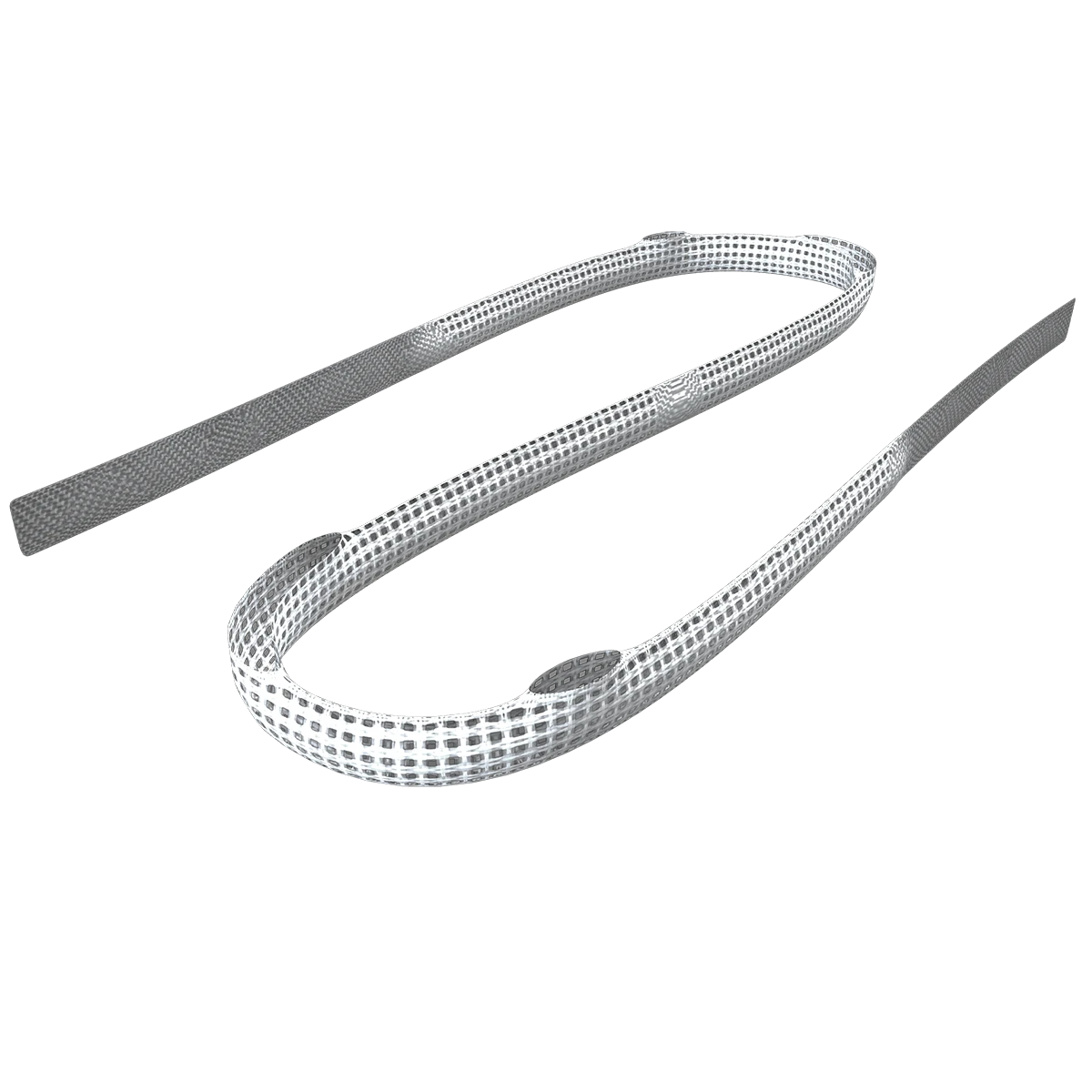
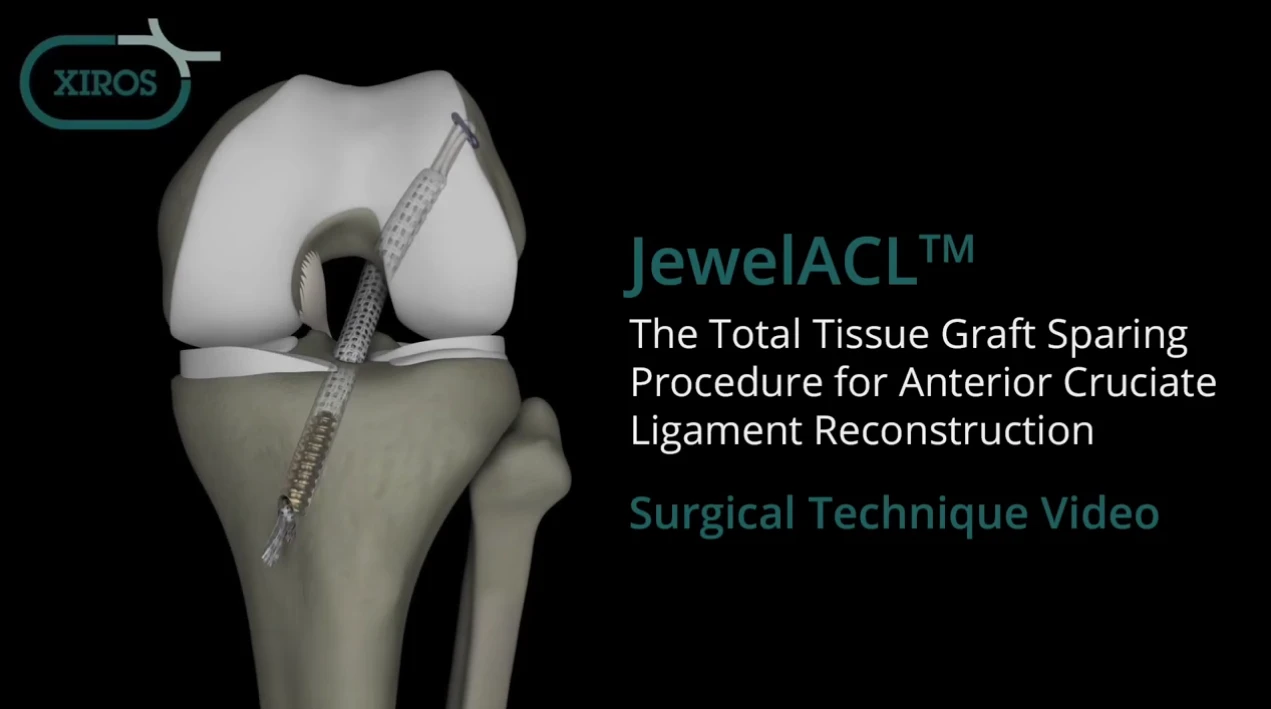
The JewelACL is a polyester permanent implant for anterior cruciate ligament (ACL) reconstruction. It is matched in tensile strength to the semitendinosus hamstring tendon, which is typically 1200 N, and can be used with or without an additional tissue graft in either Partial tissue Graft Sparing (PGS) or Total tissue Graft Sparing (TGS) ACL reconstruction procedures.
Surgical Technique
Features and Benefits
Design
- Continuous tubular form with suitably placed side openings can accommodate a hamstring tendon
- Open weave structure of the JewelACL allows a natural body response whereby native tissue integrates into the device
Advantages
- Unique gas plasma treatment process renders the surface hydrophilic
- Secured to the bone with cortical suspensory fixation with loop or soft-threaded interference screws
Order Information
| CODE | DESCRIPTION |
|---|---|
| 102-6003 | Jewel ACL, 7mm ID x 710mm |
MCL
The medial collateral ligament (MCL) is
affected in many knee injuries that appear to
involve only the ACL. If the MCL injury is not
recognised, the patient’s outcome is affected.
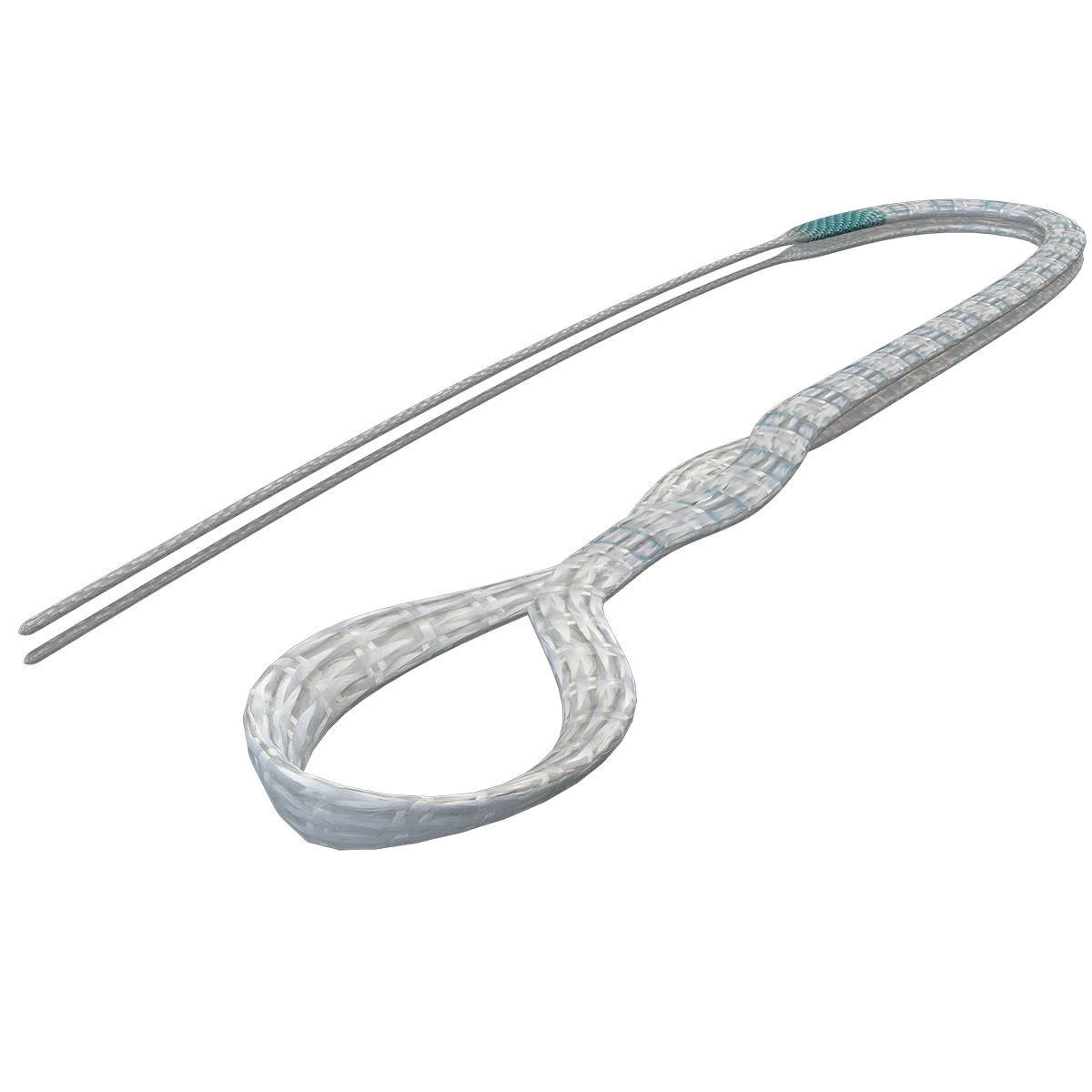
The medial complex is injured in more than half of apparently isolated ACL injuries (67% recently reported1). Studies have shown that the risk of revision of ACL treatment is lower where the MCL injury was treated surgically compared to non- surgically2,3. Repairing the MCL with the Infinity- Lock tape helps to stabilise the knee assisting the return to activities and sport. It also spares the hamstring tendons for possible graft use in the ACL or other structure.
Surgical Technique
Features and Benefits
Improved patient outcomes
- Repair of the MCL with Infinity-Lock 5mm Tape allows reduced pain, improved function and rapid rehabilitation, enabling successful return to everyday activities and sport.
- The open weave structure of Poly-Tapes and Infinity-Lock Tapes allows a natural body response whereby native tissue integrates into the device.
Rotational stability
- Repair methods with the Infinity-Lock 5mm Tape can include repair of the deep insertion as well as superficial insertion. This technique provides rotational stability to the knee. Reports show variations of the techniques.
Flexible
- Can be used alongside repair of the native ligament or with a graft.
- The open-weave tape can be sutured to the native ligament or graft to provide closer protection if desired.
Repair with the tape alone removes the morbidity associated with harvesting an autograft. The unique design of the tape combines corded ends to assist in handling and passing through tunnels with an open-weave flat central tape for tissue incorporation. The implant is constructed of multifilament high tenacity polyester (polyethylene terephthalate) fibre providing a soft flexible structure with high strength.
Order Information
| CODE | DESCRIPTION |
|---|---|
| 102-1098 | Infinity-Lock Tape, 5mm x 400mm (open weave) |
| 102-1099 | Infinity-Lock Tape, 7mm x 400mm (open weave) |
MPFL
Reconstruction of the MPFL ligament with
Infinity-Lock Tape to stabilise the patella
shortens recovery time and reduces knee pain
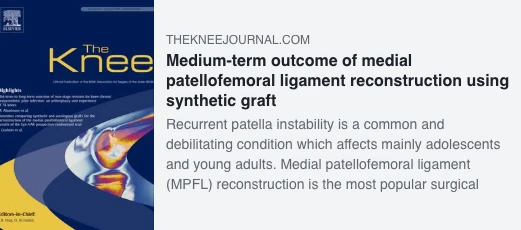
The technique does not require a tunnel through the patella. The repair with Infinity-Lock 5mm broad tape provides a double-bundle structure and avoids the need for autograft or allograft. This allows rapid rehabilitation, helping patients to regain mobility and get back to their daily activities sooner.
Surgical Technique
Features and Benefits
Reduce risk of patella
fracture
The technique secures the tape to the medial border of the patella with all-suture anchors at two points on the patella. With this method there is no tunnel though the patella, this reduces the risk of damage to the patella.
No need for autograft or
allograft
By using synthetic tape to reconstruct the MPFL, there is no need to harvest any autologous tissue, so the patient’s hamstrings (for example) are preserved. Similarly, the method avoids the need for an allograft, with its additional cost and variable strength and stiffness.
Versatile design
The implant incorporates unique features to combine strength, ease of handling, low-profile and long-term issue incorporation. The design innovation and consistent properties ensure that it can withstand the rigours of knee joint function while minimising any potential adverse reactions in the patient.
Improve patient outcomes
Patients undergoing MPFL reconstruction with the Infinity-Lock Tape have improved joint stability, decreased pain and faster recovery times.
Data
A 2023 published review using this technique1 on 85 cases with
average 4.8-year follow-up reported:
- Improved knee function: median Kujala score 82 (pre-op 40)
- No re-dislocation
- No patella fracture
- No knee stiffness
and included issues such as medial knee pain, residual instability,
or superficial infection.
The article is available here.
Order Information
| CODE | DESCRIPTION |
|---|---|
| 102-1097 | Infinity-Lock Tape, 3mm x 400mm (open weave) |
| 102-1098 | Infinity-Lock Tape, 5mm x 400mm (open weave) |
Patellar Tendon
Extensor mechanism tendon rupture is a
debilitating and relatively infrequent injury,
calling for prompt treatment.
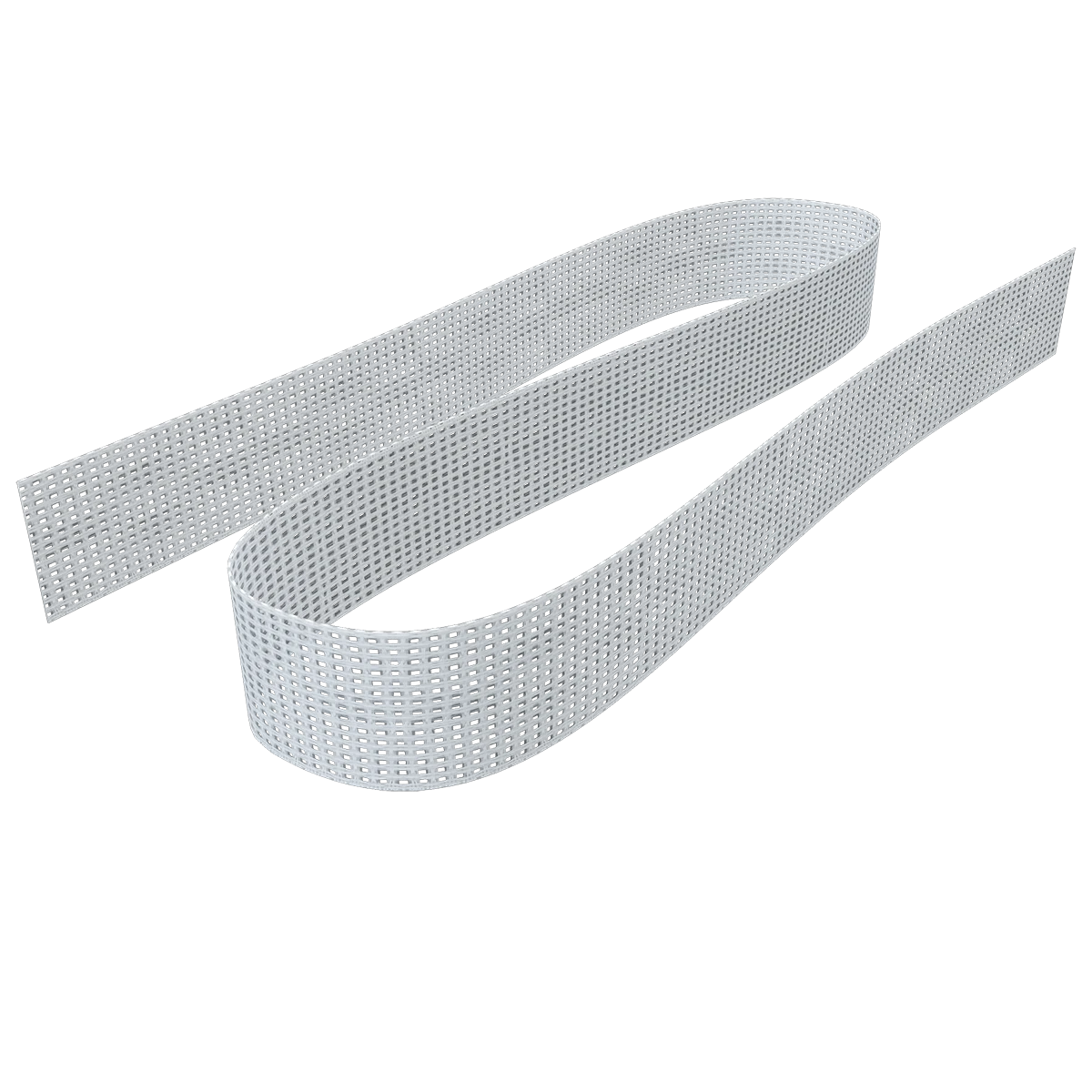
Reconstruction with Poly-Tape offers a simple solution using “off-the-shelf” components that allows rapid mobilisation for rehabilitation. It is a well-tried technique, with several published clinical studies all showing good functional outcome.
Surgical Technique
Features and Benefits
Simple solution
- Straightforward technique
- Long shelf-life synthetic tapes can be held in stock for prompt use
- None of the risks or availability problems of allograft
- No donor site morbidity as encountered with autograft
For reliable results
- Provides excellent intrinsic strength and allows early mobilization
- Broad, stiff tape to reduce stretch in the repair – a risk factor for extensor lag
- Permanent implant – leave in place. Open weave structure of Poly-Tape allows a natural body response whereby native tissue integrates into the device
- Flat low-profile
Data
Studies have been published since 2008 treating a total of 88 knees for either patellar tendon or quadriceps tendon rupture with good functional outcomes. The earliest study used 20 mm tape, currently 30 mm tape is used. A Clinical Summary is available.
- Good function restored across all studies (different scoring systems used)
- Low levels of extensor lag and good range of motion
- Low complication rates – re-rupture rate lower than reported in state-of-the-art literature
Order Information
| CODE | DESCRIPTION |
|---|---|
| 102-1083 Poly Tape, 30mm x 800mm (open weave) |
Quad Tendon
Extensor mechanism tendon rupture is a
debilitating and relatively infrequent injury,
calling for prompt treatment.
Reconstruction with Poly-Tape offers a simple solution using “off-the-shelf” components that allows rapid mobilisation for rehabilitation. It is a well-tried technique, with several published clinical studies all showing good functional outcome.
Surgical Technique
Features and Benefits
Simple solution
- Straightforward technique for occasional need
- Long shelf-life synthetic tapes can be held in stock for prompt use
- None of the risks or availability problems of allograft
- No donor site morbidity as encountered with autograft
For reliable results
- Provides excellent intrinsic strength and allows early mobilization
- Broad, stiff tape to reduce stretch in the repair – a risk factor for extensor lag
- Permanent implant – leave in place. Open weave structure of Poly-Tape allows a natural body response whereby native tissue integrates into the device
- Flat low-profile
Order Information
| CODE | DESCRIPTION |
|---|---|
| 102-1083 Poly Tape, 30mm x 800mm (open weave) |
Knee - Upper Limb - Foot & Ankle - Hip
AC Joint
Successful operative treatment of the acromioclavicular joint (ACJ) requires a meticulous technique.
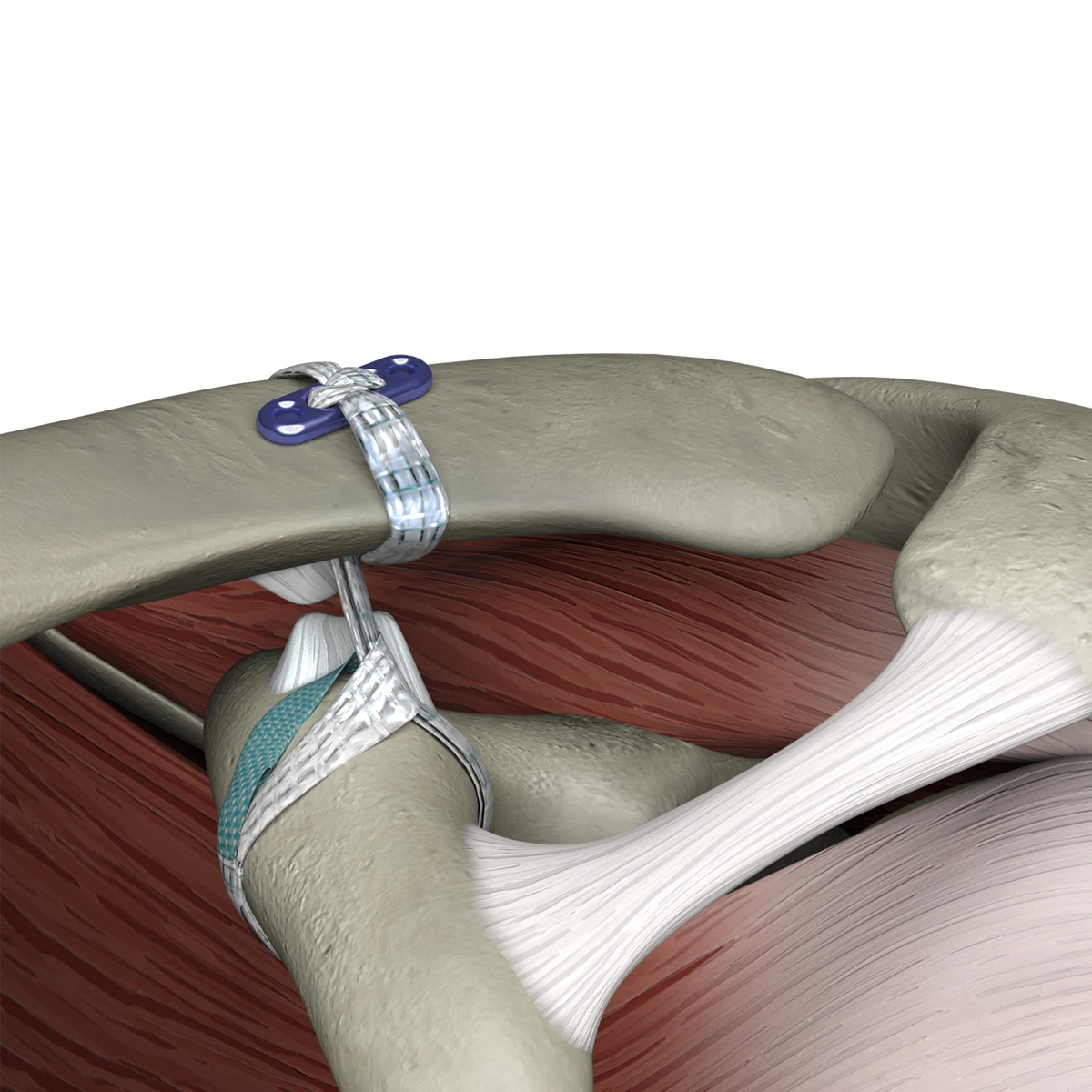
Meta-analysis has found that using a loop around the coracoid, as opposed to drilling through the bone, results in a lower incidence of re-operation as well as fewer failures in chronic injuries1. The Infinity-Lock Button system provides good clinical and radiological outcomes in treating acromioclavicular joint separation, with its broad tape looping around the coracoid and passing through the clavicle vertically with low-profile fixation.
Surgical Technique

Features and Benefits
Protecting tissue
Infinity-Lock Button System is designed to enable meticulous care of the tissue structures in the shoulder.
- No drill hole through the delicate coracoid, reducing risk of fracture
- Instrumentation: CC-Hook dedicated coracoid passer for minimal soft-tissue damage
- Broad tape for reduced likelihood of bone abrasion
- 4 mm clavicle vertical tunnel, no A-P drilling
Tissue in-growth
The tape construct has an open-weave structure, facilitating tissue in-growth and on-growth. Tissue graft augmentation can be used but is not needed, eliminating autograft morbidity and allograft cost issues.
Efficient solution
The one-size-fits-all design and single-use instrument reduce inventory and instrument-kit complexity as well as eliminating the risk of mis-sizing.
Performance
- Studies show good clinical and radiological outcomes
- Pain reduction, anatomic shoulder reduction and enabling return to work or sport
- The device has low stretch and maintains high strength under repeated long-term loading
Data
There are several studies on the Infinity-Lock Button System, from different centres, all with excellent results. Download summary of clinical data.
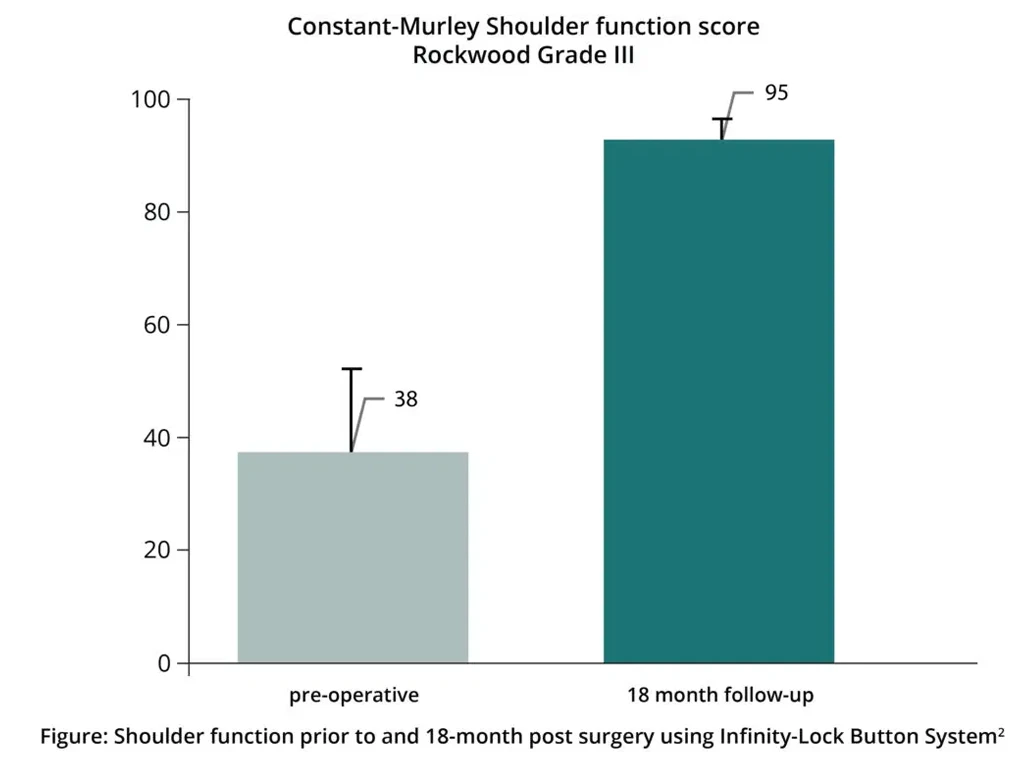
- Series of 15 patients, Rockwood Grade III AC joint dislocations, 18 month follow-up
- Series of 15 patients, Rockwood Grade IV, V acute and Grade III chronic, controlled, followed for minimum 3 months
- Series of mixed grade AC joint dislocations, 15 cases
The studies used different function scoring systems but showed good improvement. Romano et al reported CMS scores of 95 at 18-month follow up. Loukovitis et al used the Nottingham clavicle score, the patients treated with Infinity-Lock Button System had a mean score of 80 at follow-up, the control group score was 69. Chowdhury et al used the Oxford score, recording 40.5 (maximum 48) improved from 16.2 pre-operatively (no control group).
Two studies also measured the reduction, with 7.4 mm and 8.2 mm mean reductions in clavicle-coracoid distance. There were only two instances of loss of reduction in the 45 cases across all three reports.
Order Information
| CODE | DESCRIPTION |
|---|---|
| 102-1099 | Infinity-Lock Tape (7mm x 400mm) |
| 102-1089 | Infinity-Lock Button System |
Elbow
Reconstruction of the lateral and medial collateral ligaments
Infinity-Lock 5 mm Tape is an open
weave structure implant. The permanent
implantable device can be used in the
elbow for lateral collateral ligament
reconstruction and medial collateral
ligament reconstruction.
Surgical Technique
Features and Benefits
Design
The open weave structure of Infinity-Lock Tape allows a natural body response whereby native tissue integrates into the device Suitable physical and mechanical properties for reconstruction of the elbow collateral ligaments Made from woven multifilament high tenacity polyester (polyethylene terephthalate) fibre, providing a soft flexible structure with high strength
Advantages
No requirement to harvest a soft tissue graft to reconstruct the ligament or tendon; reduces morbidity
Order Information
| CODE | DESCRIPTION |
|---|---|
| 102-1097 | Infinity-Lock Tape, 3mm x 400mm (open weave) |
| 102-1098 | Infinity-Lock Tape, 5mm x 400mm (open weave) |
| 102-1099 | Infinity-Lock Tape, 7mm x 400mm (open weave) |
Pec Major
The pectoralis major tears are uncommon
injuries; however, ruptures have become more
prevalent in the past 20-years, attributed to an
increase in recreational weight-lifting and
sports participation.
Pec tears can be managed non-operatively; however, for patients who are active in the gym, performing movements such as bench pressing, there will be a noticeable weakness on the affected side. There can also be a significant cosmetic difference between the injured side and the non-injured side which tends to be unacceptable to those who train regularly in a gym.
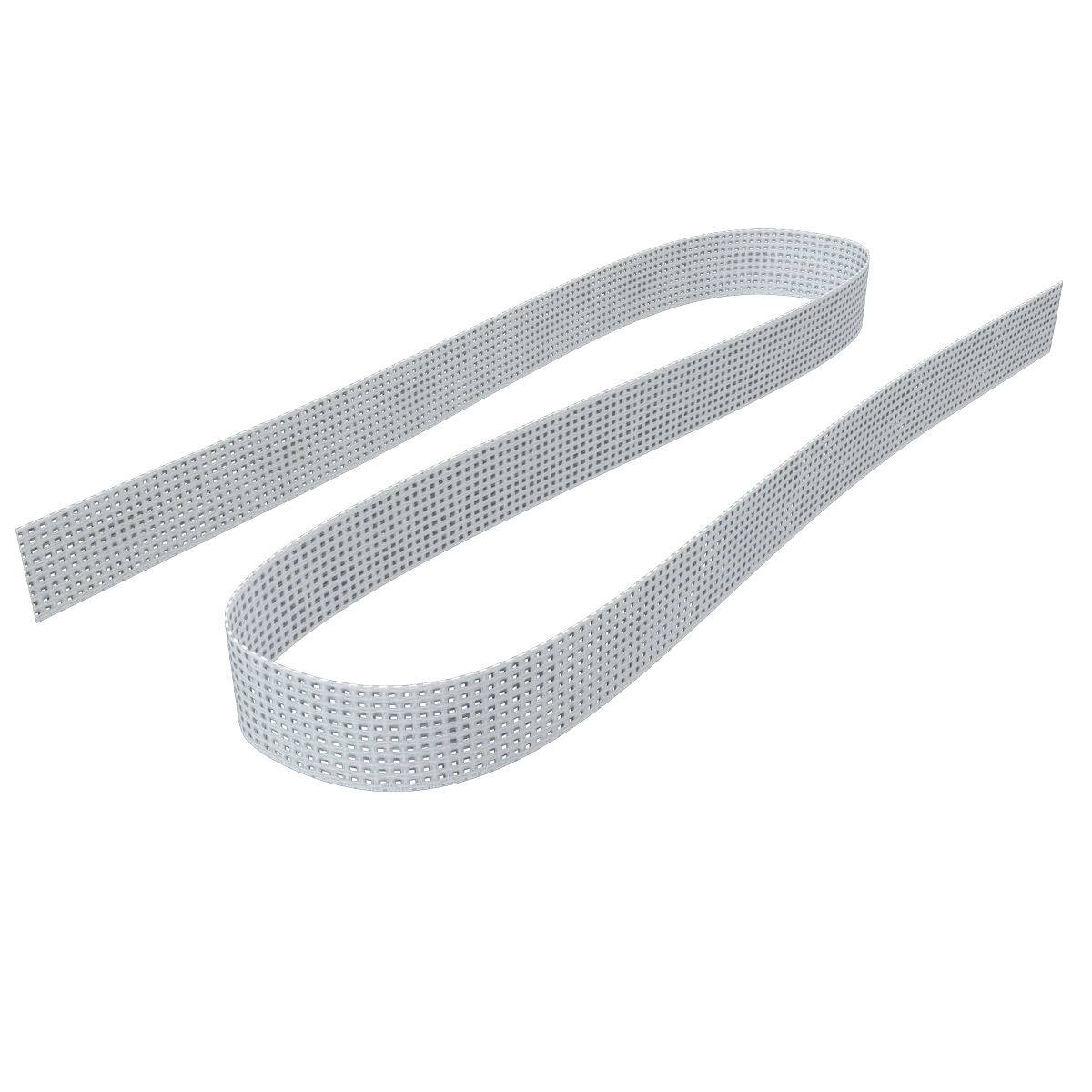
For partial or full-thickness chronic tendon tears, the Poly-Tape 20 mm tape provides a suitable graft option to augment the repair.
Surgical Technique
Features and Benefits
Design
The open weave structure of Poly-Tapes and Infinity-Lock Tapes allows a natural body response whereby native tissue integrates into the device.
Made from woven multifilament high tenacity polyester polyethylene terephthalate) fibre, providing a soft flexible structure with high strength.
Advantages
- No requirement to harvest a soft tissue graft to reconstruct the ligament or tendon; no donor site morbidity
- Long flexible tapes allow multiple limbs to be created to wrap around the pectoral muscle
- Off-the-shelf availability, ready to use when you need it
- No risk of disease transmission that’s associated with allograft use.
- Tensile Strength of 950N
Order Information
| CODE | DESCRIPTION |
|---|---|
| 102-1082 | Poly Tape, 20mm x 800mm (open weave) |
Rotator Cuff
Treat RC tears with confidence
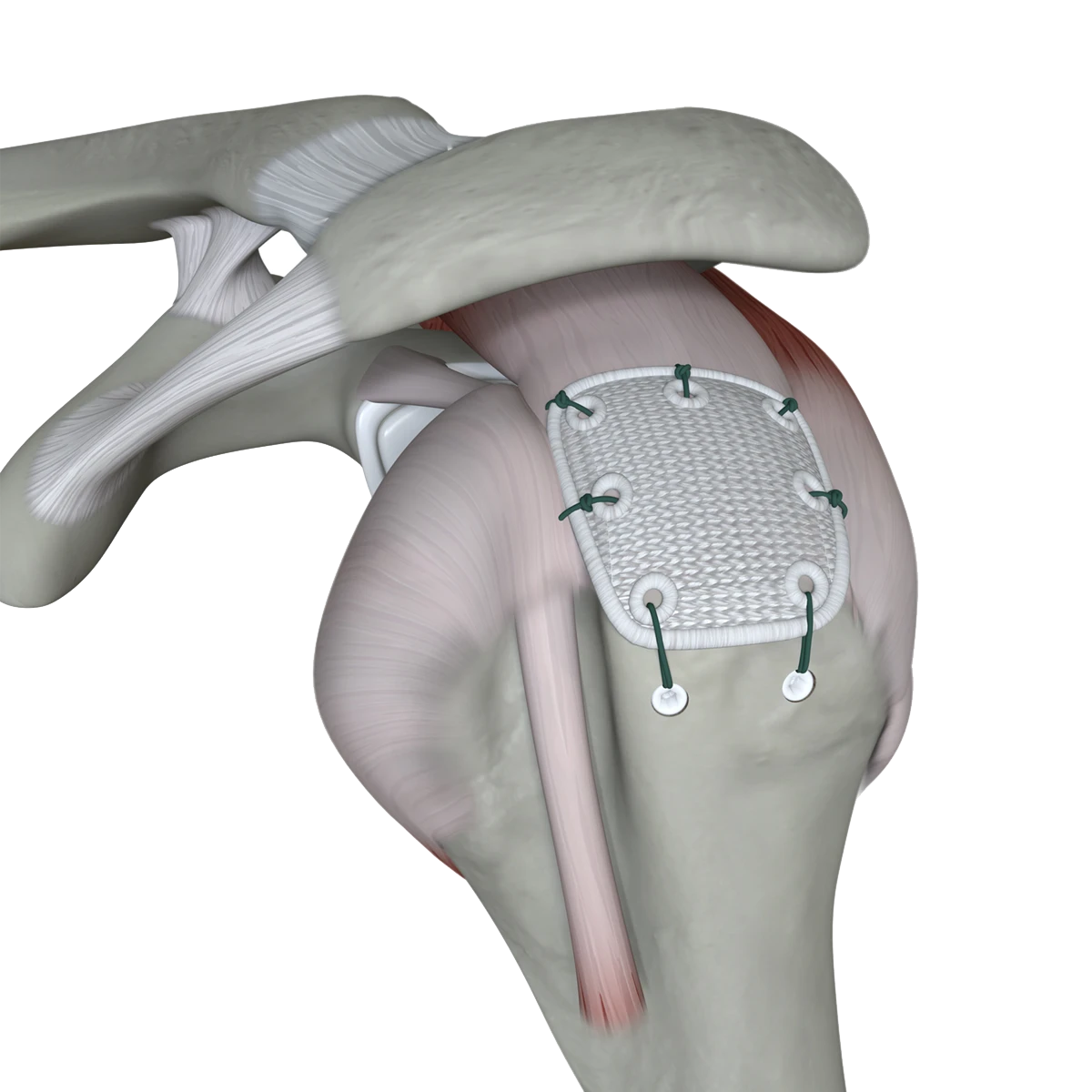
Maintaining the integrity of surgical repair of massive rotator cuff tears is a complex problem, with patients experiencing high re-tear rates. Pitch-Patch reinforces the repair in cases where either the soft tissue is weak, or the repair is incomplete. Published results on rotator cuff tears treated with Pitch-Patch show low re-tear rates over five-year follow-up.
Surgical Technique
Features and Benefits
Low re-tear rate
14% in massive cuff tears, over 5-year follow-up. This is substantially below the published levels for cuff repair without augmentation or with bioresorbable patches, reported up to 94%
Strong
Very high strength of 355 N when fully sutured along the medial and lateral edges.
Sustained
improvement
Function and pain reduction scores improved over at least five years postoperatively.
Flexible
Suitable for arthroscopic or open technique: - Long shelf life, no special storage or pre-operative preparation. - Anatomical design in two sizes for varying patient anatomy and tear size. - Intra-operative decision on whether reinforcement is needed.
Even for poor tissue
quality
Indicated for patients where either the rotator cuff tear cannot be completely repaired using normal methods and/or the quality of the soft tissue is poor.
Tissue intergration
The device structure allows a natural body response whereby native tissue integrates into the device.
Data
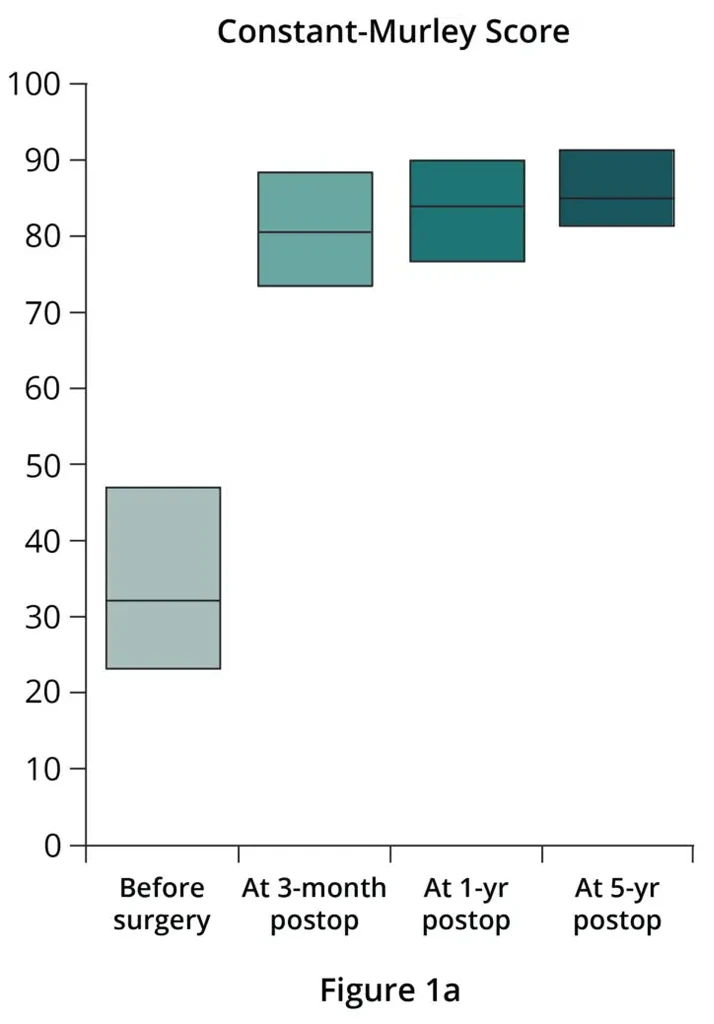
A prospective study on the repair of massive cuff tears reinforced with Pitch-Patch has been conducted, with results reported at a minimum of five-years post surgery. The excellent functional outcomes continued to improve between the one-year and five-year timepoints (figure 1). There was only 14% re-tear rate1 and only one of those cases requiring a second surgery, compared to re-tear rates up to 94 % reported in the literature for repair of massive tears.
A separate retrospective study followed a group of patients with short tendon length (14 mm or less), with significant improvement in functional and structural outcomes. There were only three clinical failures (20%). Re-tears occurred in 53% of patients, but these were not associated with inferior outcomes compared with intact cuff repairs. Speak with a specialist for more detail on the clinical data relevant to Pitch-Patch.
Shoulder function scores for rotator cuff repair augmented by Pitch-Patch
Figure 1a, 1b. Shoulder function scores for rotator cuff repair
augmented by Pitch-Patch, before surgery, 3-month, 1-year and 5-
years post-operatively, n=50. The box plots span the interquartile
range. The horizontal line inside the box represents the median. (a)
Constant-Murley Scores (b) Subjective Shoulder Value scores.
Order Information
| CODE | DESCRIPTION |
|---|---|
| 102-1090 | Pitch Patch (30mm x 20mm) |
| 102-1091 | Pitch Patch (35mm x 25mm) |
Knee - Upper Limb - Foot & Ankle - Hip
Spring Ligament
Adult Acquired Flatfoot Deformity (AAFD) is a condition defined by “medial foot arch insufficiency” , which is commonly caused by Posterior Tibial Tendon Dysfunction (PTTD) or deltoid spring ligament complex incompetency. Both etiologies have undergone substantial research to better understand their course and treatment. In severe AAFD, increasing tension on the interosseous and spring ligaments causes progressive peritalar subluxation, followed by deltoid and spring ligament insufficiency.
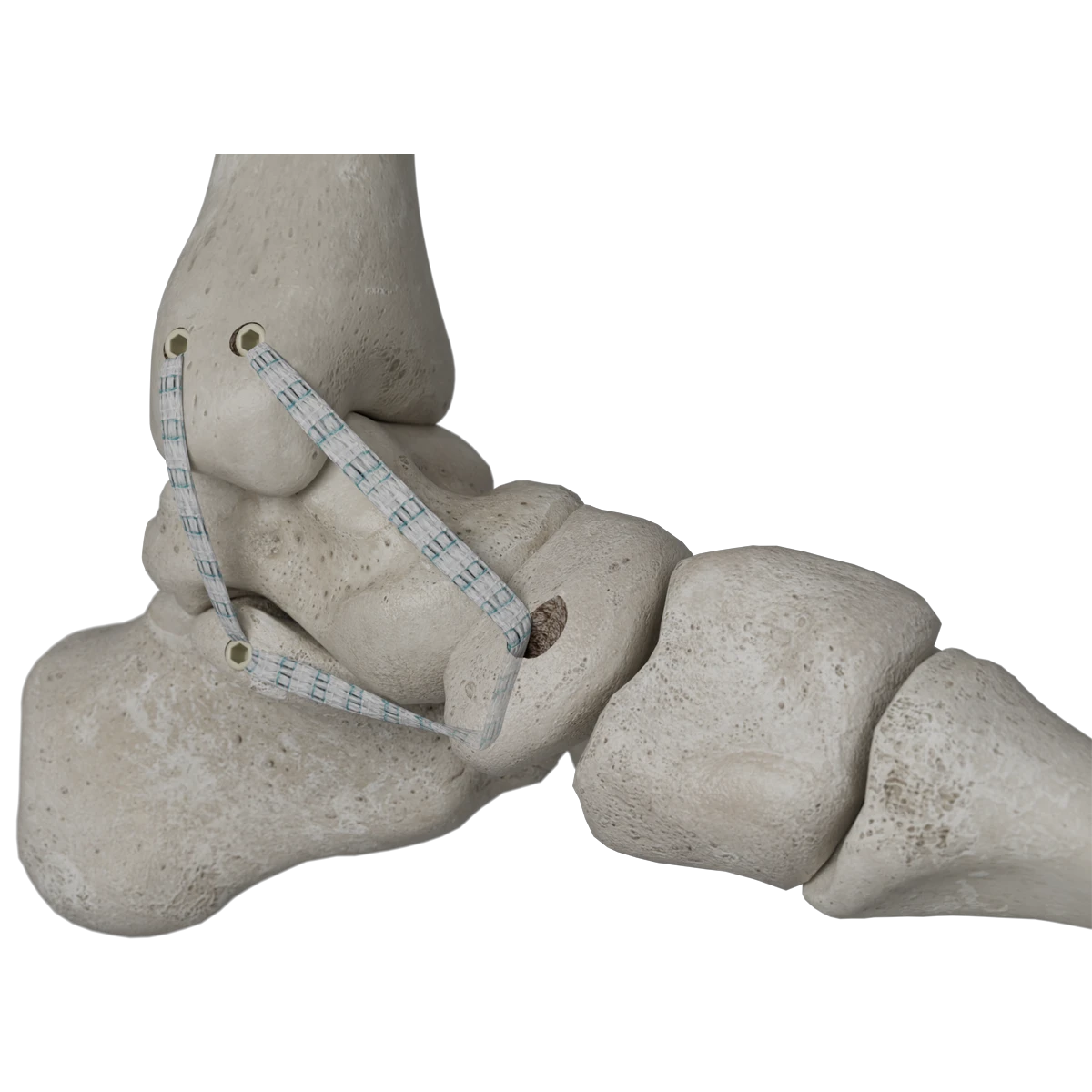
Surgical Technique
Features and Benefits
Design
- Made from woven multifilament high tenacity polyester (polyethylene terephthalate) fibre, providing a soft flexible structure with high strength
- Tapered ends to allow for easy passing through tissue and anchors
- The open weave structure of Infinity-Lock Tape allows a natural body response whereby native tissue integrates into the device
- Tensile Strength: 3mm Infinity-Lock = 800N / 5mm Infinity-Lock = 1000N
Advantages
- Consistent graft properties
- Off-the-shelf graft option, requiring no specialised storage or preparation
- Immediate strength from implantation, no weakening during the ligamentisation process
Order Information
| CODE | DESCRIPTION |
|---|---|
| 102-1097 | Infinity-Lock Tape, 3 mm x 400 mm |
| 102-1098 | Infinity-Lock Tape, 5 mm x 400 mm |
Knee - Upper Limb - Foot & Ankle - Hip
COMING SOON
AUSTRALIA
Revolution Surgical Pty Ltd
4/22 Rowood Road, Prospect NSW 2148
ABN: 63 165 643 434
NEW ZEALAND
Revolution Surgical New Zealand Ltd
378 Neilson Street, Penrose Auckland 1061 New Zealand
NZBN: 145-925-924
© 2018- Revolution Surgical
Website by: 